Australia or New Zealand for plumbing work? Check what the shortage means
News · 2026-08-31 · 3 min read
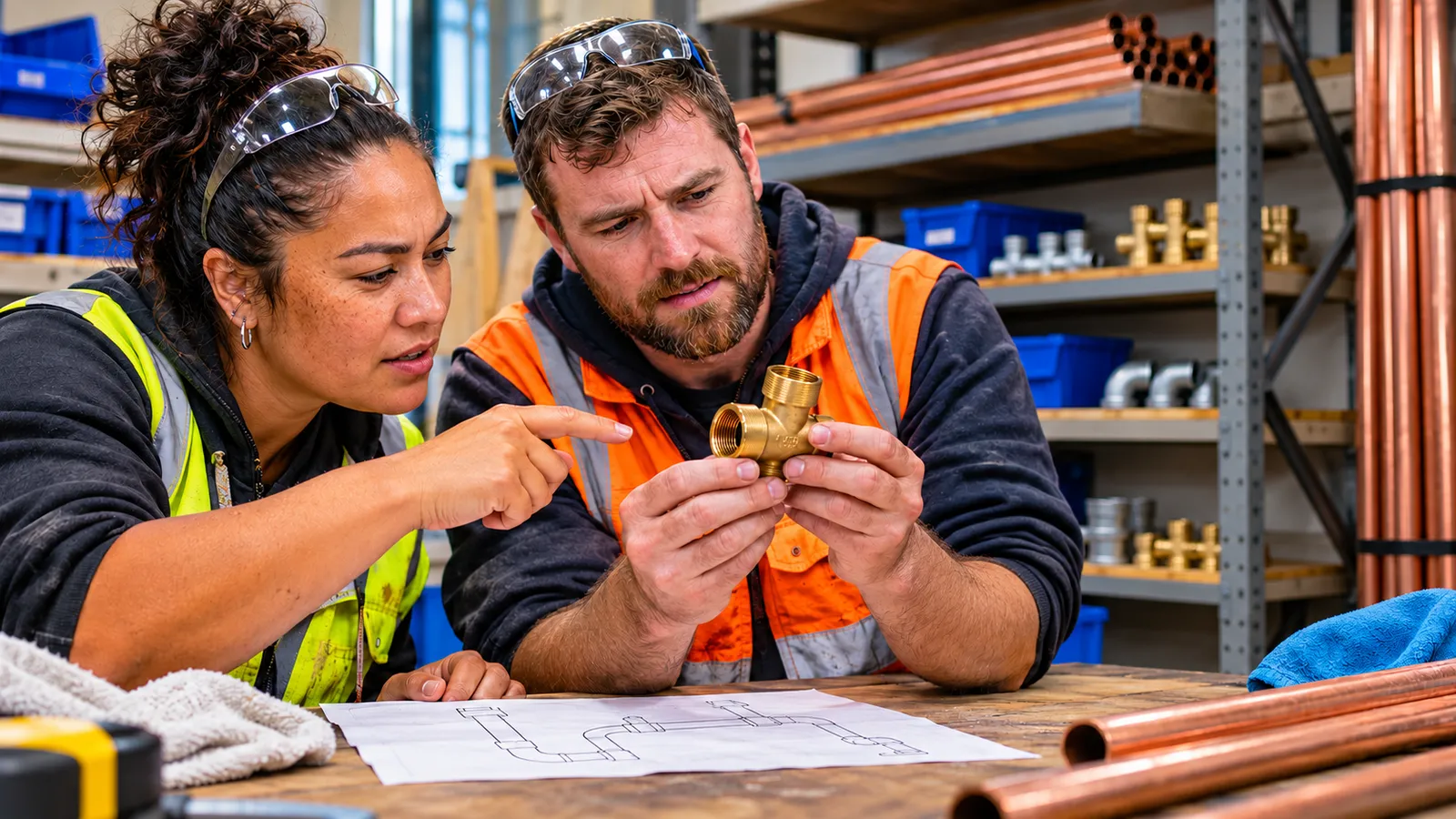
Australia's pull on New Zealand-trained plumbers is part of a wider workforce problem across the Tasman. For an overseas plumber comparing destinations, the reported shortage is a reason to investigate suitable roles and professional requirements. It does not establish that a particular qualification, wage or migration route will be accepted.
Why Australian demand affects New Zealand employers
The account describes workers leaving New Zealand for Australian pay opportunities. Examples compared around NZ$30 an hour with AU$55. Those figures use different currencies and describe examples in the source, rather than a universal rate or a promise to a new arrival.
Movement of qualified workers can leave New Zealand employers short even when local training continues. However, a headline about migration between neighbouring countries should not be read as permission for every overseas worker to move or practise under the same conditions.
Read the replacement problem alongside new construction
The source estimated roughly 1,450 plumbing, gasfitting and drainlaying roles would need filling over the coming year. That forecast combined retirements, departures and recovering construction activity. It was not a list of current vacancies.
The average certifying worker in the cited trades was 49, with around 1,000 people working past 65. The account also described fewer than one in five plumbing businesses taking apprentices, and construction participation as low as 10–15 percent. Training capacity and the time needed to develop a worker therefore matter alongside immediate hiring.
Read the related accounts of Australian trade migration planning and New Zealand project capacity as industry context, not personal eligibility assessments.
Compare the practical work before choosing a destination
- Describe your plumbing, gasfitting or drainlaying experience accurately.
- Check what professional recognition the actual role requires.
- Compare the complete employment conditions, including the currency used.
- Assess the relevant migration route independently of labour demand.
Apprenticeship access was another concern in the account, including barriers experienced by women and disruption in training provision. Those issues underline why a sustainable workforce needs local development as well as experienced overseas recruitment.
Use current job listings to compare real requirements. A clear trade CV with relevant project evidence can help explain what you have done without overstating recognition.
Common mistakes when comparing plumbing opportunities
Do not compare the quoted wages as though they use the same currency, turn a forecast into open jobs, or assume a shortage waives professional requirements. Keep each destination's employment and migration assessment separate.
Questions about the plumbing workforce gap
Were the quoted hourly rates certain?
No. They were examples, in different currencies, from the account.
Does the forecast count advertised jobs?
No. It estimates workforce needs over the period described.
Is the problem only about new buildings?
No. Retirements, worker departures and training capacity also feature.
Does experience alone establish permission to practise?
No. Check the requirements relevant to the actual role and destination.
Turn the shortage story into careful preparation
Investigate demand, gather evidence and compare full conditions. A sound career decision rests on a suitable job and verified requirements, rather than the strongest shortage headline.
#plumbing #trades #australia #new zealand
 Australia's construction gap: can your trade evidence match the need?
 Australia or New Zealand tech work? Look past the transformation headline
 A construction shortfall that could reach 935,600: what overseas tradespeople should do now