Second-year working holiday visa now a ballot? Places fall from 57,000 to 45,000
News · 2026-09-25 · 4 min read
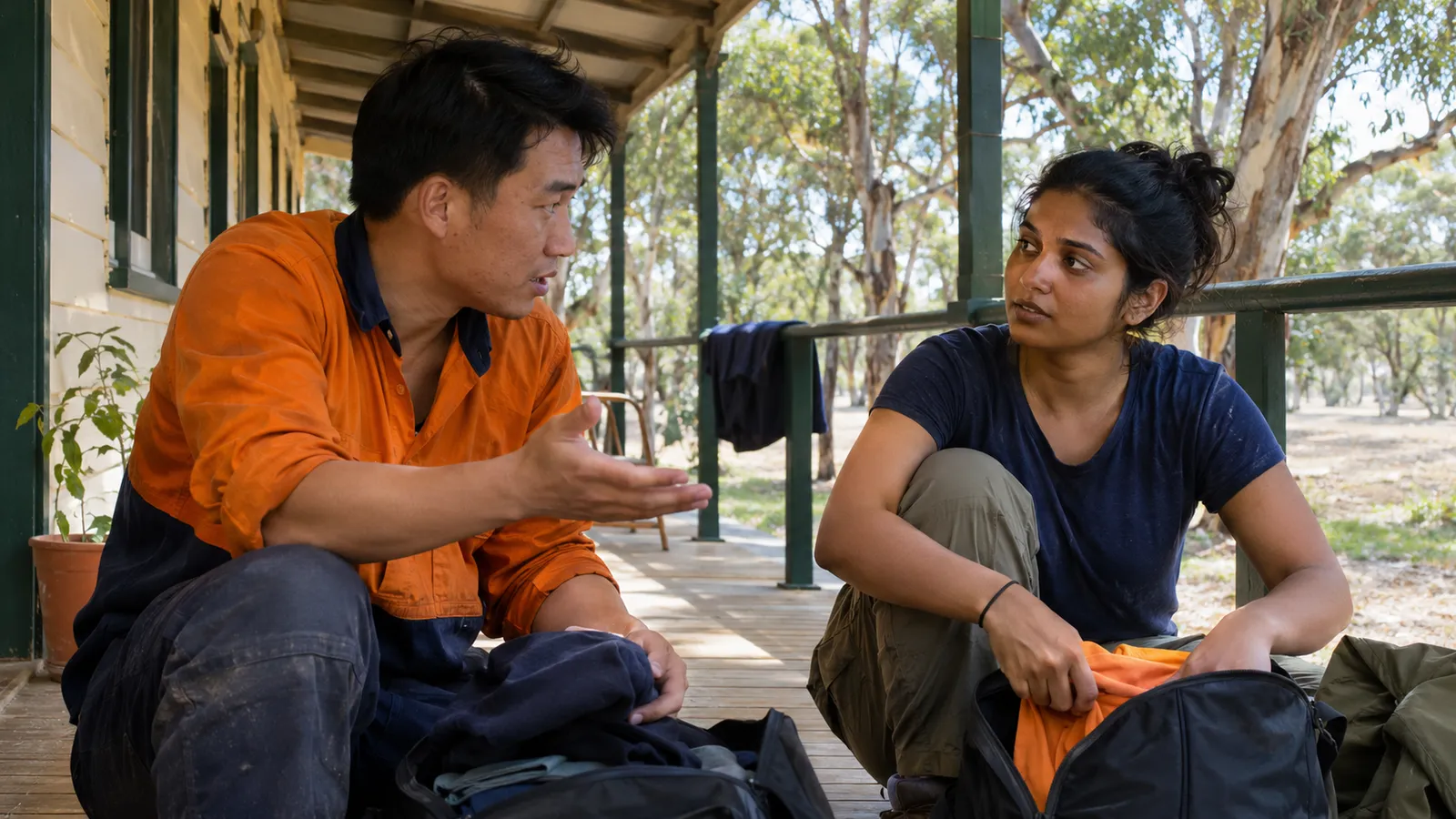
Short answer: completing 88 days of regional or remote work used to mean you could count on a second-year working holiday visa. Under the framework described in this announcement, second-year visas are allocated through a ballot instead, with places cut from 57,000 to 45,000. Third-year places fall even further, from 31,000 to just 5,000. Doing the work is no longer enough on its own, so plan for uncertainty.
From a sure thing to a draw
For years the second-year extension worked like a reward: finish the qualifying days, then apply. That certainty is disappearing. A ballot means that two travellers with identical work records can get different results.
| Stage | Before | Under the new framework |
|---|---|---|
| Second-year visa | Qualifying after 88 days of regional or remote work | Allocated by ballot, with places cut from 57,000 to 45,000 |
| Third-year visa | 31,000 places | Just 5,000 places |
| Processing | A matter of days | Roughly three months in many cases |
Why growers and workers feel it differently
Large operations often draw on the Pacific Australia Labour Mobility (PALM) scheme, a separate and more structured pathway. Smaller family farms without year-round work have long relied on working holiday makers to fill seasonal gaps. PALM is not a like-for-like replacement, because its workers are usually tied to longer placements, while the appeal of working holiday makers is mobility. They follow a harvest trail from one region to the next over a few weeks.
For a traveller, that means farm jobs may be easier to find in some regions than a visa is to secure. Seasonal vacancies are listed at Seasonal Jobs Australia, which is a useful place to see what regional employers want.
A backlog on top of a rule change
The overhaul arrived on top of an existing delay. Before the announcement, applications from 24 of 29 eligible countries had already been paused, and processing had stretched to roughly three months. Some harvest windows were opening within weeks, so even a good ballot outcome could arrive late for the season you wanted.
The skilled visa list and agriculture
One change drew cautious optimism: agriculture is being added to Australia's skilled worker visa list. Industry bodies welcomed it but wanted detail, in particular whether horticulture roles will be included and what qualification thresholds might apply. Until that detail is published, treat it as a development to watch, not a route you can plan around. Our overview of the fast-track arrangement for farm labour shows how another short-term fix is meant to work, and our article on construction shortages shows demand outside farming.
How to prepare if you are heading to Australia
- Check the current conditions on the Department of Home Affairs website before you buy flights.
- Keep clear records of every day of regional or remote work, because a well-documented history will matter more in a ballot system.
- Allow extra time for processing and do not book work you cannot reach without a visa.
- Have an up-to-date CV ready for employers who hire quickly.
Common mistakes working holiday travellers make
- Assuming that finishing 88 days automatically leads to another year.
- Arriving for a harvest without allowing for a processing time of roughly three months.
- Throwing away payslips and employer letters that prove regional work.
- Treating the skilled visa list change as already open to horticulture workers.
Questions backpackers ask about the ballot
Does 88 days of regional work still matter?
Yes, it is the work you will want to show. It no longer ensures the next visa, so treat it as one input to an uncertain draw.
Are third-year visas realistic?
Places drop to just 5,000, so plan as if a third year is unlikely.
Will PALM workers replace backpackers?
Not directly. PALM is a separate, more structured pathway with longer placements.
Can I still work in agriculture long term?
The addition of agriculture to the skilled visa list may help, but the detail has not been settled. Watch the official pages and see our visa guides for pathways.
What should I do while I wait?
Prepare documents, save evidence of work and browse current vacancies to understand what employers need.
What to remember before you book
The second-year visa is shifting from an earned entitlement to a ballot, and places are shrinking. Treat every extension as uncertain, keep detailed work records and check official pages before committing money.
#working holiday #second-year visa #farm work #regional work #australia
 Louder migration debate, same empty roles: what it could mean for your Australian plans
 Cuts versus projects: why Australian employers say less migration could stall the work you want
 Degree from an Australian university but stuck in a job below your skill level? What a national study found